
الوصف
Product Overview
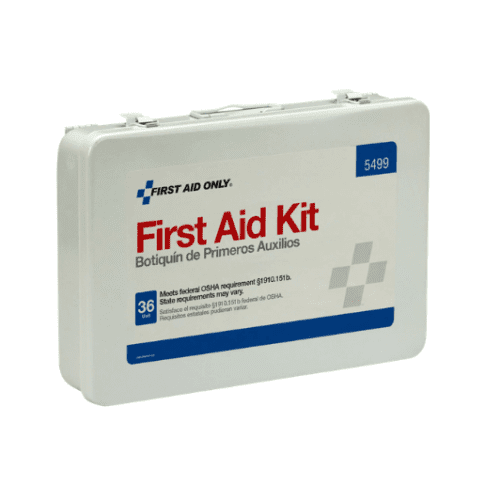
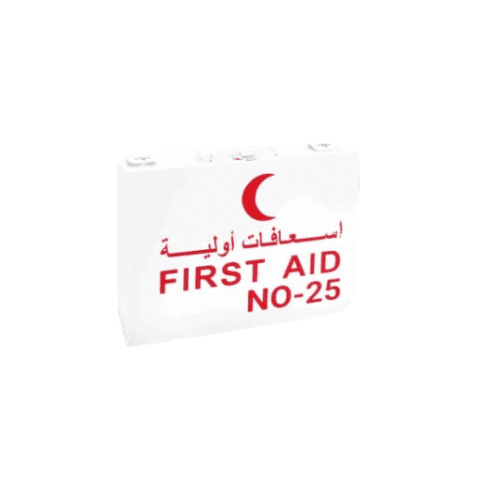
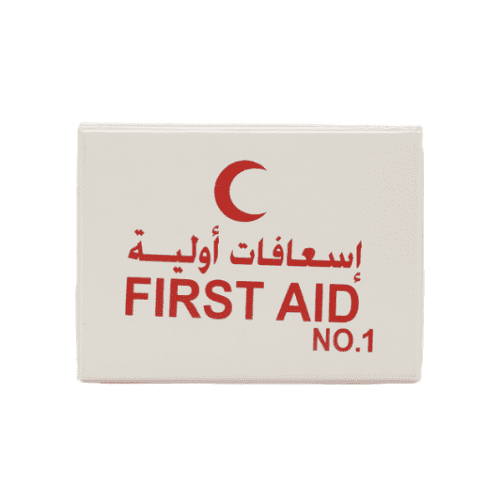
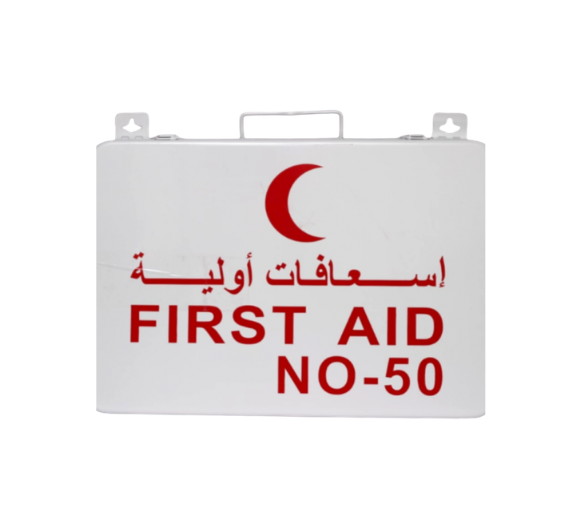
A First Aid No. 50 kit is a large-capacity medical emergency kit that contains essential items needed to treat minor injuries and provide initial emergency care until professional medical assistance arrives. It is typically stored in a durable plastic or metal box and may be wall-mounted or portable.
These kits are designed according to workplace safety guidelines such as DIN standards or OSHA recommendations, ensuring that the included supplies meet professional safety requirements.
The kit allows trained or untrained individuals to respond quickly to incidents such as:
-
Cuts and wounds
-
Burns
-
Bleeding
-
Eye injuries
-
Sprains or fractures
-
Minor medical emergencies
Immediate first aid helps reduce injury severity and prevents complications before medical professionals arrive.
Typical Product Specifications
Although specifications vary by manufacturer, most First Aid No. 50 kits have similar characteristics:
Capacity:
-
Suitable for up to 50 persons
Box size:
-
Approximately 390 × 275 × 135 mm
Material:
-
Durable ABS plastic or polypropylene
Design features:
-
Strong protective case
-
Wall mounting bracket
-
Carrying handle for portability
-
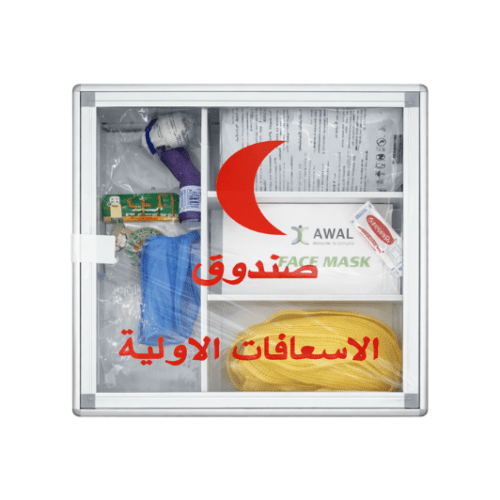
Internal compartments for organized storage
-
Dust-proof and secure closing system
These features make the kit easy to access during emergencies and protect the medical supplies inside from damage or contamination.
Contents of a First Aid No. 50 Kit
A typical First Aid No. 50 kit contains a wide range of medical items designed to treat different types of injuries.
1 Wound Care Supplies
These items are used to clean, cover, and protect wounds.
Common items include:
-
Adhesive bandages (various sizes)
-
Sterile gauze pads
-
Gauze rolls
-
Adhesive plaster or tape
-
Cotton balls or cotton wool
-
Alcohol cleaning pads
-
Antiseptic wipes
These materials help stop bleeding, protect wounds from infection, and support the healing process.
2 Bandages and Dressings
Bandages are essential for securing dressings and supporting injured body parts.
Typical bandage supplies include:
-
Triangular bandages
-
Conforming bandages
-
Crepe bandages
-
Elastic bandages
-
Large trauma dressings
-
Burn dressings
-
Abdominal pads
These are used for treating sprains, fractures, heavy bleeding, and burns.
3 Medical Tools and Instruments
Most First Aid No. 50 kits include essential medical tools needed for treatment.
Examples include:
-
Medical scissors
-
Plastic tweezers
-
Thermometer
-
Safety pins
-
CPR mask or face shield
-
Tourniquet roller
-
Mouth-to-mouth mask
These tools help responders safely perform procedures such as cutting bandages, removing debris, or assisting with breathing during emergencies.
4 Protective Equipment
To protect the person providing first aid and prevent infection, protective items are included.
Common protective items:
-
Disposable gloves
-
Face shields
-
CPR masks
-
Cleaning wipes
These items ensure hygiene and reduce the risk of contamination.
5 Emergency Supplies
Some kits include additional emergency items such as:
-
Emergency blanket
-
Instant cold packs
-
Eye wash solution
-
Eye pads
-
First aid manual or guide
These items allow responders to manage conditions like hypothermia, swelling, or eye injuries.
Applications and Usage
The First Aid No. 50 kit is widely used in many environments where safety preparedness is required.
Common locations include:
-
Offices and corporate buildings
-
Industrial factories
-
Construction sites
-
Warehouses
-
Schools and universities
-
Public facilities
-
Laboratories
Having such a kit available ensures compliance with workplace safety regulations and improves emergency preparedness.
Advantages of First Aid No. 50 Kits
1. Large Capacity
The kit is designed for large groups of up to 50 people, making it ideal for workplaces and public areas.
2. Comprehensive Medical Supplies
It includes many essential items needed to treat a wide range of injuries.
3. Organized Storage
Internal compartments help organize supplies for quick access during emergencies.
4. Durable Construction
Strong plastic or metal boxes protect the contents from environmental damage.
5. Safety Compliance
Most kits meet safety standards used in workplaces and industrial environments.
Maintenance and Safety Guidelines
To keep the kit effective:
-
Inspect the kit regularly
-
Replace expired items
-
Refill supplies after use
-
Store it in an accessible location
-
Ensure staff know where the kit is located
Proper maintenance ensures the kit remains ready for emergencies.