
الوصف
product description
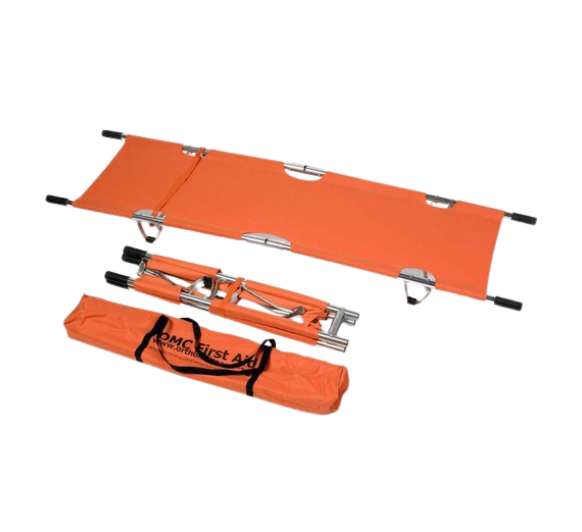
Folding Stretcher
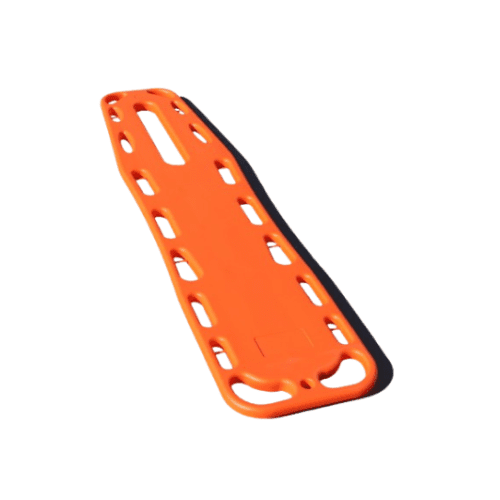
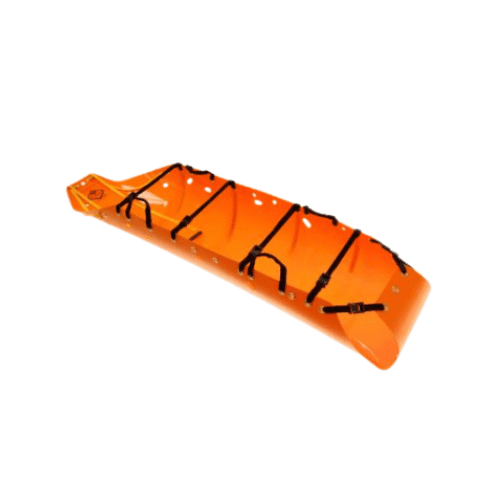
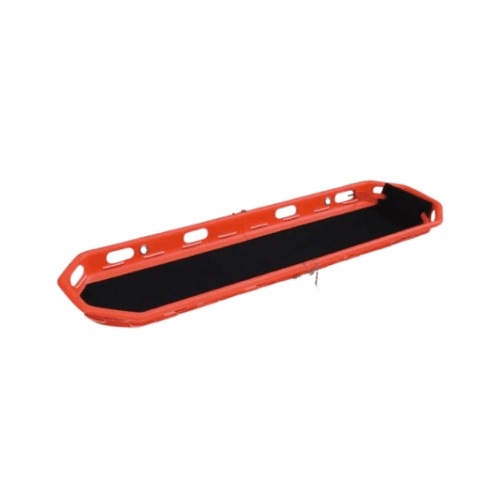
A folding stretcher is a portable, collapsible emergency transport device designed to safely carry injured or immobile individuals from the scene of an accident to medical facilities or ambulances. Folding stretchers are essential equipment for emergency responders, hospitals, disaster management teams, military units, outdoor rescue teams, and industrial safety setups. Their compact design, lightweight construction, and durability make them ideal for rapid deployment in various environments.
Unlike rigid stretchers, folding stretchers are engineered to collapse or fold into a smaller form, allowing easier transport, storage, and handling, particularly in confined spaces such as ambulances, rescue vehicles, or building stairwells.
Design & Construction
Frame & Structure
The folding stretcher typically features a sturdy frame constructed from high-strength aluminum, stainless steel, or reinforced composite materials:
-
Aluminum frames: Lightweight, corrosion-resistant, and strong enough to carry patients up to 150–250 kg, depending on design.
-
Steel frames: More robust and durable, suitable for heavier patients or extreme-use conditions.
-
Collapsible joints: Allow the stretcher to fold in half or thirds for storage and transport.
-
Locking mechanisms: Secure the stretcher in fully extended position, ensuring patient safety during transport.
Bed Surface / Patient Support
-
Durable fabric bed: Often made from waterproof, tear-resistant, and fire-retardant nylon or polyester.
-
Load-bearing capacity: Typically supports 150–250 kg (330–550 lbs) depending on the stretcher model.
-
Reinforced stitching and cross-straps: Provide extra strength and durability.
-
Comfort and safety features: Integrated straps or safety belts secure the patient during movement.
Handles & Portability
-
Folding or telescopic handles for easy lifting by one or multiple responders.
-
Rubberized grips to prevent slipping.
-
Lightweight construction allows rapid deployment by one or two responders.
Folding Stretcher Key Features
-
Foldable Design: Collapses into a compact size, suitable for storage in vehicles, ambulances, or rescue kits.
-
High Load Capacity: Supports patients up to 250 kg in most models.
-
Durable Material: Aluminum or steel frames with tear-resistant fabric ensure long-term use.
-
Safety Straps: Secure the patient, minimizing movement during transport.
-
Portable & Lightweight: Easy for responders to carry through narrow spaces or rugged terrain.
-
Easy to Clean: Fabric surfaces are washable or wipeable with disinfectants.
-
Corrosion-Resistant: Metal frames resist rust and environmental damage.
-
Multipurpose Use: Suitable for medical emergencies, disaster response, outdoor rescue, and industrial safety.
Intended Uses & Practical Applications
Emergency Medical Services (EMS)
-
Transport injured patients from accident sites to ambulances.
-
Provide immobilization for fractures or spinal injuries with appropriate accessories (head/neck supports).
Industrial & Workplace Safety
-
Assist in evacuating injured workers during accidents, machinery mishaps, or chemical spills.
-
Supports compliance with workplace health and safety regulations.
Outdoor & Adventure Rescue
-
Ideal for hiking, mountaineering, or adventure sports rescue.
-
Collapsible design ensures portability in backpacks or off-road vehicles.
Hospitals & Clinics
-
Quick patient transfer from emergency rooms to operating theaters or imaging facilities.
-
Suitable for temporary use during patient overflow or disasters.
Disaster & Military Use
-
Effective in transporting victims during earthquakes, floods, or mass casualty incidents.
-
Lightweight aluminum models enable rapid deployment in remote or rugged terrains.
Standards & Compliance
Folding stretchers are designed to meet recognized health, safety, and emergency standards:
-
ISO 13485 / ISO 9001: Quality management standards for medical devices.
-
CE marking (where applicable): Ensures compliance with European safety directives.
-
ASTM / EN standards: Tests for load capacity, structural strength, and material durability.
-
Hospital & EMS guidelines: Ensures stretcher stability and patient safety during transport.
Compliance guarantees the stretcher is robust, reliable, and safe for patient handling in various emergency conditions.
Maintenance & Care
To ensure long-term usability and safety, folding stretchers require regular maintenance:
Cleaning
-
Fabric surfaces can be wiped down with disinfectant solutions to maintain hygiene.
-
Avoid abrasive cleaners that may damage fabric or stitching.
Inspection
-
Regularly check for frame integrity, locking mechanisms, and handles.
-
Ensure safety straps and buckles are functional and not frayed.
Lubrication
-
Hinges or joints may require periodic light lubrication to ensure smooth folding and unfolding.
Storage
-
Store in dry, clean areas away from moisture, chemicals, or heavy impact.
-
Keep folded to prevent deformation or accidental damage.
Load Limit Adherence
-
Never exceed the manufacturer’s maximum weight capacity to avoid structural failure.
User Tips & Safety Guidelines
-
Always secure the patient with straps before lifting.
-
Ensure two or more responders lift the stretcher for heavy patients or rough terrain.
-
For suspected spinal injuries, use additional spinal boards or immobilization devices.
-
Ensure locking mechanisms are engaged before use.
-
Regularly train responders in proper lifting, carrying, and patient positioning.