
الوصف
product description
The Safety Jogger ALLFLEX Gloves are high‑performance protective work gloves designed to offer superior hand protection, dexterity, comfort, and durability in a wide range of industrial, construction, and general‑work environments. Manufactured by Safety Jogger, a well‑established company specializing in personal protective equipment (PPE), these gloves are engineered to meet the needs of professionals who work with tools, machinery, sharp objects, chemicals, or abrasive materials.
The ALLFLEX gloves combine modern materials with smart ergonomics and safety standards compliance to provide reliable performance for both heavy‑duty tasks and daily wearable protection. Suitable for environments such as construction sites, warehouses, logistics centers, assembly lines, automotive workshops, and outdoor work, they offer a balance between cut resistance, impact protection, grip, comfort, and tactile sensitivity — making them a preferred choice among workers and safety managers.
Overview – What Are ALLFLEX Gloves?
Safety Jogger ALLFLEX Gloves are categorized as multi‑purpose protective gloves that emphasize:
-
Flexibility and dexterity for precise handling
-
Strong grip performance, even on slippery surfaces
-
Impact resistance on knuckles and fingers
-
Comfort and breathability for all‑day wear
-
Compliance with international safety standards
The name ALLFLEX reflects the gloves’ flexible design, allowing free movement of fingers while still providing essential protection against hazards like impacts, abrasions, cuts, and vibrations.
Key Features
1. Impact Protection with TPU Reinforcement
One of the standout features of Safety Jogger ALLFLEX gloves is the thermoplastic polyurethane (TPU) impact protection built into the back of the glove. This reinforcement protects:
-
Knuckles
-
Fingers
-
Back of hand
against impacts, crushing, and collision from falling or shifting objects — which makes these gloves especially useful in mechanical, construction, and material‑handling tasks.
2. Cut and Abrasion Resistance
AllFlex gloves are designed to provide cut resistance at levels that meet or exceed safety benchmarks relevant to industrial tasks. The palm and finger areas typically use a durable synthetic fabric or reinforced palm layer that resists wear from sharp edges, rough surfaces, and friction during repeated use.
3. High‑Performance Grip
The gloves are coated with materials such as nitrile or polyurethane on the palm and fingertips to:
-
Enhance grip on oily or wet surfaces
-
Improve friction without sacrificing touch sensitivity
-
Reduce slipping when grasping tools, fasteners, or materials
This coating ensures workers can handle tools and parts securely even under slippery conditions.
4. Flexibility and Dexterity
While providing high protection, ALLFLEX gloves are engineered for optimum flexibility. This enables excellent:
-
Finger articulation
-
Tool manipulation
-
Precision tasks like assembly and adjustment
This is especially important for environments where workers require fine motor control in addition to safety.
5. Breathability and Comfort
The gloves are often designed with breathable backing fabrics or mesh zones to increase air circulation and reduce sweat buildup during long workdays. Combined with a snug and ergonomic fit, these features help reduce hand fatigue and increase comfort.
6. Adjustable Wrist Closure
Many ALLFLEX models include a hook‑and‑loop (Velcro) wrist closure which allows:
-
A secure fit
-
Easy on/off
-
Comfortable tension adjustment
This ensures the glove stays properly in place during movement and reduces the risk of slipping off.
7. Durable Construction and Stitching
The gloves use reinforced stitching in high‑wear zones, ensuring long‑term durability even under heavy usage.
Technical Specifications (Typical)
| Specification | Detail / Range |
|---|---|
| Brand | Safety Jogger |
| Model | ALLFLEX (varies by code) |
| Material – Back | Breathable synthetic fabric |
| Material – Palm | Nitrile or polyurethane coating |
| Impact Protection | TPU reinforced back |
| Grip Level | High, even in wet/oily conditions |
| Cut Resistance | EN 388 Level usually up to A3 or A4 depending on variant |
| Abrasion Resistance | EN 388 Level (usually 3–4) |
| Tear Resistance | EN 388 Level (typically 2–3) |
| Puncture Resistance | EN 388 Level (typically 2–3) |
| Dexterity | Excellent |
| Closure | Hook‑and‑loop (Velcro) wrist strap |
| Certifications | EN 388, CE marking |
| Weight | Lightweight (varies by size) |
Actual performance levels may differ by specific ALLFLEX variant and certification code.
Safety Standards & Compliance
Safety Jogger ALLFLEX gloves typically meet the EN 388 standard for protective gloves against mechanical risks. The performance levels under EN 388 define:
-
Abrasion resistance
-
Cut resistance
-
Tear resistance
-
Puncture resistance
-
Impact protection rating
For example, a typical marking might be “EN 388 4X43FP”, where each number and letter corresponds to the glove’s protective rating in a specific test.
CE certification indicates these gloves conform to European PPE regulations and are tested for performance and wearer safety.
Typical Applications
Safety Jogger ALLFLEX gloves are suitable for a wide range of environments and tasks:
Construction Work
-
Handling bricks, metals, timber, and tools
-
Operating power tools
-
Loading and unloading materials
Mechanical & Automotive
-
Maintenance and repair
-
Assembly work
-
Battery and engine compartment tasks
Logistics & Warehousing
-
Pallet handling
-
Box and crate moving
-
Forklift loading/unloading
Manufacturing & Assembly
-
Machine parts assembly
-
Small component handling
-
Packaging
Outdoor Labor
-
Landscaping
-
Gardening
-
General labor tasks requiring hand protection
Utility & Maintenance Services
-
Plumbing
-
Electrical work
-
HVAC maintenance
Ergonomics & User Comfort
ALLFLEX gloves strike a balance between protection and comfort. Key aspects include:
1. Breathable Backhand
Allows heat and moisture to escape, reducing sweat and discomfort during prolonged use.
2. Flexible Fingers
Materials are selected to provide maximum finger movement without stiffness, making tasks requiring precision easier.
3. Contoured Fit
Designed to mirror the natural shape of the hand, delivering a snug but comfortable fit that minimizes slipping and fatigue.
4. Reinforced Stress Zones
Areas like the palm, thumb, and fingers have extra reinforcement to withstand repeated impact and friction.
Advantages & Benefits
- Comprehensive protection in one glove — impact, abrasion, cut, and puncture
- Excellent grip in wet or oily conditions
- Enhanced comfort for extended wear
- Breathable and ergonomic design
- Reliable performance for industrial and general‑purpose work
- CE / EN 388 compliance ensures verified safety performance
Maintenance & Care
Proper care prolongs glove life and maintains protection performance:
-
Clean regularly with mild soap and water
-
Air‑dry — do not use intense heat sources
-
Inspect frequently for wear, tears, or loose stitching
-
Replace when mechanical resistance decreases or damage occurs
Conclusion
The Safety Jogger ALLFLEX Gloves represent a versatile, reliable, and comfortable hand protection solution that meets the needs of professionals working in physically demanding and safety‑critical environments. By combining TPU impact protection, nitrile/polyurethane grip, ergonomic design, and compliance with EN 388 standards, these gloves deliver high performance without compromising comfort.
Whether used on a construction site, in a workshop, during logistics operations, or in general maintenance tasks, ALLFLEX gloves provide workers with the confidence and protection needed to perform tasks safely, efficiently, and comfortably.
If you want, I can also provide:
• A product comparison chart with similar heavy‑duty gloves
• Cut resistance and protection level explanation
• Workplace hazard matching guide (which glove for which job)
• Video or image examples of proper PPE use
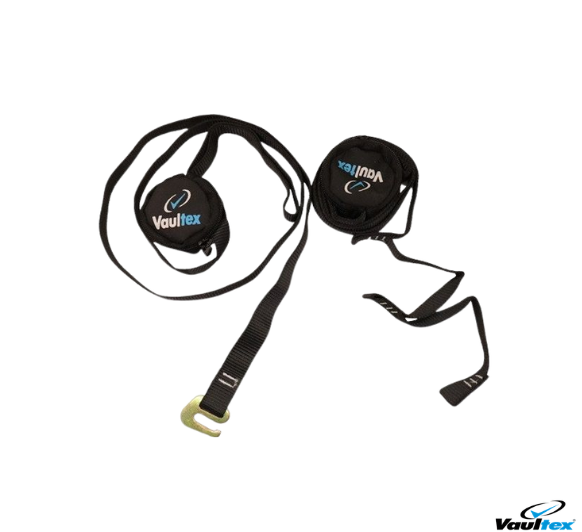
Vaultex Suspension Trauma Relief Strap – Full Product Information and Details
Vaultex Suspension Trauma Relief Strap (often simply called a suspension trauma strap) is a critical safety accessory designed to reduce the risk of suspension trauma (also called orthostatic intolerance) for workers who are suspended in a harness after a fall. Suspension trauma can rapidly become life‑threatening if a worker remains motionless in a fall‑arrest harness, because blood can pool in the legs, reducing blood flow to the brain and vital organs. The Vaultex system offers a simple, effective way to allow suspended workers to relieve pressure and maintain circulation until rescue.
This product is widely used in industries requiring work at heights — such as construction, wind energy, oil and gas, utilities, telecommunications, confined space entry, and rescue operations — as part of a comprehensive fall protection program.
Suspension trauma occurs when a worker is left hanging in a fall arrest harness after a fall. Even if the fall is arrested quickly, remaining suspended can lead to:
-
Venous pooling in the legs
-
Restricted blood return to the heart
-
Dizziness, fainting, unconsciousness
-
Loss of consciousness within minutes if not relieved
This happens because the leg straps of a harness can compress major blood vessels, preventing blood return when a worker is static and upright.
The Vaultex Suspension Trauma Relief Strap is designed to give the worker a way to stand up in mid‑air and relieve this pressure, maintaining circulation until rescue can occur.
Product Overview
The Vaultex Suspension Trauma Relief Strap is a simple, durable strap system typically made from high‑strength webbing and metal hardware. It can be attached to a full‑body harness and used as a foothold to allow the suspended person to:
- Stand up in the harness
- Relieve strap pressure under the legs
- Support their own weight
- Improve circulation in lower limbs
The strap is usually secured to the harness’s dorsal attachment (back), and deployed by the user to create a secure footing below them. When used correctly, it significantly reduces the risk of trauma, shock, and loss of consciousness.
Key Features
1. High‑Strength Webbing
The Vaultex strap is manufactured from robust, abrasion‑resistant webbing designed to withstand the load of a suspended worker without stretching or failure. The material is selected for durability in industrial environments.
2. Quick‑Clip Hardware
Most models include steel or aluminum hardware such as carabiners, D‑rings, or buckles that are:
-
Corrosion‑resistant
-
Rated to industrial safety standards
-
Easy to connect and disconnect
These components allow the strap to be quickly attached to the harness’s anchor point.
3. Easy Deployment
The strap is designed to be intuitive to deploy by a suspended worker. Common features include:
-
Bright‑colored webbing for visibility
-
Pre‑configured loops or slings
-
Minimal steps needed to set up footholds
This ease of use is vital during a stressful suspension situation.
4. Compact and Lightweight
Suspension trauma straps are compact and lightweight, making them easy to carry on a tool belt or attach to a harness without adding significant bulk.
5. Compatibility with Fall Arrest Harnesses
The Vaultex system is engineered to be compatible with most industry‑standard full‑body harnesses used in fall arrest systems, including models from major manufacturers.
6. No Power or Tools Required
Unlike mechanical rescue equipment, suspension trauma straps require no tools or power to deploy — only human action — allowing immediate use after a fall.
How It Works
When a worker falls and is suspended in a harness:
-
Stop all activity after fall arrest
-
Reach for the suspension trauma strap
-
Deploy the strap downward from the anchor point or harness dorsal ring
-
Place foot(s) into the foot loop of the strap
-
Stand up using the strap as a foothold
-
Shift body weight off the harness leg straps
-
Maintain circulation and await rescue
By creating a foothold, the worker can stand and relieve pressure on the leg and groin areas, improving blood flow and reducing the onset of suspension trauma.
Technical Specifications (Typical)
| Feature | Specification |
|---|---|
| Product Type | Suspension Trauma Relief Strap |
| Material | High‑strength polyester webbing |
| Hardware | Steel/aluminum buckles or carabiners |
| Webbing Width | Typically 25–40 mm |
| Color | High‑visibility (often orange/yellow) |
| Compatible With | Full‑body harnesses with dorsal attachment point |
| Weight | ~200–300 g (typical) |
| Standards Compliance | ANSI, OSHA, EN standards (varies by model) |
| Operating Temperature Range | −30°C to +60°C (varies by manufacturer) |
Exact specifications vary by model and manufacturer. Vaultex refers to a category of trauma strap products commonly sold under that name; verify the specific model details with the manufacturer.
Standards and Compliance
While suspension trauma relief devices are not universally required by all safety standards, many safety authorities emphasize their inclusion in fall protection programs:
OSHA (U.S.)
-
Recommends that workers suspended after a fall be rescued quickly
-
Employers should consider suspension trauma hazards in planning
ANSI/ASSE
-
Emphasizes rescue planning and rapid relief of suspension-induced hazards
CSA (Canada)
-
Encourages suspension trauma relief awareness and safe work at height practices
EN Standards
-
EN 355 — Fall arresters
-
EN 362 — Connectors
-
EN 358 — Work positioning systems
Although the strap itself may not be individually certified under EN 355 or similar, it should be used in a system context with certified harnesses and fall arrest equipment.
Applications and Use Cases
Construction
-
Roof work
-
Scaffold access
-
Steel erection
Wind Energy
-
Turbine maintenance
-
Blade access work
Telecommunications
-
Tower climbing
-
Antenna installation
Utilities
-
Transmission line maintenance
-
Pole work
Oil & Gas
-
Offshore platforms
-
Refinery structures
Rescue & Emergency Services
-
Rope rescue scenarios
-
Confined space entry/exit
Benefits of Using a Suspension Trauma Strap
- Reduced risk of suspension trauma
- Maintains blood circulation after a fall
- Stand‑up relief for suspended workers
- Simple, fast deployment
- Compatible with most harness systems
- Lightweight and portable
The strap significantly improves a worker’s ability to wait safely for rescue without succumbing to the dangerous physiological effects of suspension.
Training and Best Practices
To ensure effectiveness:
1. Worker Familiarization
Employees should be trained to:
-
Locate the strap quickly
-
Deploy the strap while suspended
-
Use the strap to stand and relieve pressure
2. Regular Inspection
Before each use, inspect:
-
Webbing for cuts, fraying, or abrasion
-
Buckles and hardware for damage or corrosion
-
Attachment points for secure engagement
3. Integration with Rescue Planning
A suspension trauma relief strap is part of a broader fall protection and rescue strategy. Rescue plans must include:
-
Retrieval procedures
-
Time limits for suspension
-
Communication methods during rescue
Limitations and Considerations
-
User must be conscious and physically able to deploy and use the strap
-
May not fully replace need for rapid rescue in severe fall incidents
-
Not a substitute for self‑rescue training, but a supplemental aid
-
Must be compatible with the specific harness model