
Description
product description
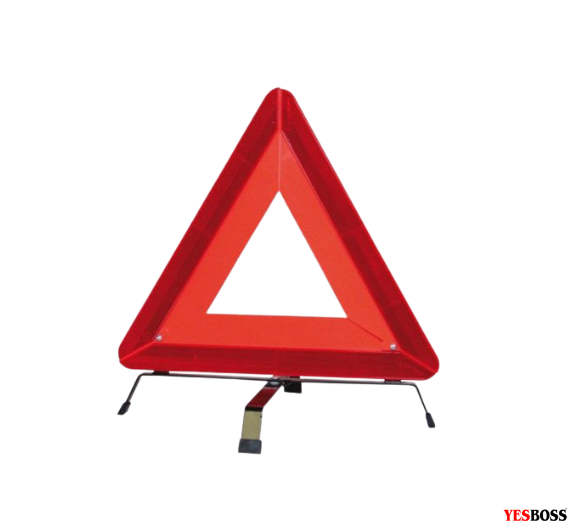
A Hazard Warning Triangle, also known as a safety triangle or emergency warning triangle, is an essential road safety device designed to alert other road users of a stationary vehicle, road obstruction, or emergency situation. It is widely used in personal vehicles, commercial trucks, buses, and construction vehicles to improve safety during breakdowns, accidents, or roadside maintenance. The triangle is a passive safety device that works by creating a highly visible warning signal, particularly under low-light conditions or poor visibility.
Purpose and Importance
The primary purpose of a hazard warning triangle is to prevent secondary accidents and ensure roadside safety. When a vehicle breaks down, stops suddenly, or is involved in a minor accident, placing a hazard triangle at an appropriate distance from the vehicle informs approaching drivers to slow down, change lanes, or maneuver safely.
Key objectives:
-
Increase visibility of a stopped vehicle
-
Alert drivers to potential hazards
-
Reduce risk of collision and traffic congestion
-
Comply with road safety laws and regulations
Most countries mandate the presence of a hazard warning triangle in vehicle emergency kits. For commercial vehicles and trucks, it is often legally required.
Design and Structure
A standard hazard warning triangle is designed with durability, portability, and high visibility in mind. Typical features include:
1. Triangle Frame
-
Material: Usually made from high-quality ABS plastic, lightweight metal, or a combination for durability
-
Shape: Equilateral triangle for uniform visibility from all angles
-
Color: Bright fluorescent red or orange for daytime visibility
2. Reflective Panels
-
Material: Highly reflective prismatic or retro-reflective material
-
Function: Reflects headlights from approaching vehicles, ensuring visibility at night or in low-light conditions
-
Color: Typically red or orange borders with a hollow center to maximize reflection
3. Folding Mechanism
-
Many modern triangles are foldable or collapsible, allowing for compact storage in the trunk or emergency kit
-
Hinges or joints allow quick pop-up deployment in under 10 seconds
4. Base Stand
-
Material: Non-slip plastic or metal
-
Stability: Weighted base or foldable legs to withstand wind, passing vehicles, or uneven surfaces
-
Ensures the triangle remains upright even under adverse weather conditions
Sizes and Visibility Range
Hazard warning triangles come in various sizes, commonly ranging from 17 to 28 inches (43–71 cm) per side for the triangle frame. The visibility distance depends on size, reflective quality, and environmental conditions. A standard triangle can be visible up to 300–500 meters at night, giving sufficient reaction time to approaching vehicles.
Recommended placement distances vary by road type:
-
Urban streets: 10–20 meters behind the vehicle
-
Rural roads: 30–50 meters
-
Highways and expressways: 100 meters or more, with multiple triangles if available
These distances ensure that other drivers have enough time to react and maneuver safely around the hazard.
Applications
The hazard warning triangle is an indispensable tool for vehicle safety and roadside emergencies:
1. Personal Vehicles
-
Cars, SUVs, motorcycles
-
Used during breakdowns, tire changes, or roadside repairs
2. Commercial Vehicles
-
Trucks, buses, and vans
-
Especially required on highways to alert oncoming traffic to stopped vehicles
3. Road Construction and Maintenance
-
Deployed around work zones, excavations, or temporary roadblocks
-
Helps regulate traffic flow and prevent accidents
4. Emergency and Safety Kits
-
Often included in first aid and emergency car kits
-
Essential for roadside safety during accidents or vehicle malfunctions
Standards and Compliance
Hazard warning triangles must meet safety standards and regulations to ensure effectiveness:
-
ECE R27 (Europe) – specifies retro-reflective requirements, material, and size
-
DOT and FMVSS 125 (United States) – specifies visibility, stability, and performance standards
-
ISO 3864 – international standard for safety signs and marking
Compliance ensures that the triangle is visible, durable, and reliable under various environmental conditions.
Key Features and Benefits
1. High Visibility
-
Fluorescent colors and reflective materials maximize visibility in daylight and at night
2. Easy Deployment
-
Quick fold-out design allows one-person setup in seconds
3. Compact and Portable
-
Lightweight and foldable design fits easily in trunks, storage compartments, or emergency kits
4. Durable Construction
-
Resistant to weather, sunlight, and minor impacts
-
Long-lasting performance for multiple uses
5. Safety Compliance
-
Meets legal requirements for most countries, reducing liability for drivers
6. Stability
-
Weighted or wide base ensures the triangle remains upright even on windy roads
Usage Instructions
Proper usage enhances safety and effectiveness:
-
Park safely: Activate hazard lights and park the vehicle away from traffic if possible
-
Wear safety gear: Use reflective vests to improve personal visibility
-
Place triangle correctly:
-
On urban roads: 10–20 meters behind the vehicle
-
On rural roads: 30–50 meters behind
-
On highways: 100 meters or more behind
-
-
Angle towards traffic: Ensure the reflective side faces oncoming vehicles
-
Retrieve after use: Fold and store safely after vehicle repair or hazard removal
Maintenance Tips
-
Keep the triangle clean and free of dirt or dust for maximum reflectivity
-
Check for cracks, broken hinges, or missing parts regularly
-
Replace reflective panels if faded or damaged
-
Store in trunk or emergency kit, readily accessible for quick deployment
Advantages of Hazard Warning Triangle
-
Provides advanced warning to prevent secondary accidents
-
Lightweight, portable, and reusable
-
Highly visible during day and night
-
Enhances roadside safety for drivers, passengers, and pedestrians
-
Legal compliance for personal and commercial vehicles
-
Affordable, durable, and essential for emergency preparedness