
الوصف
product description
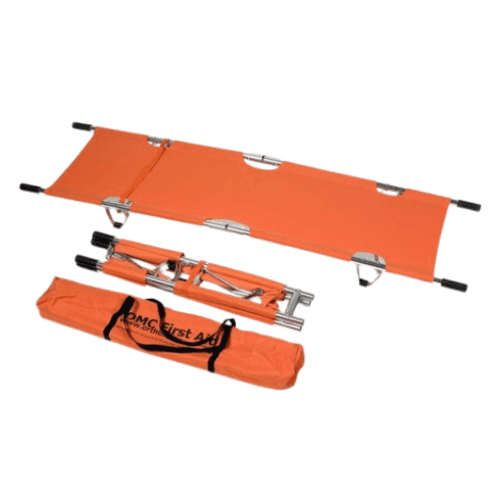
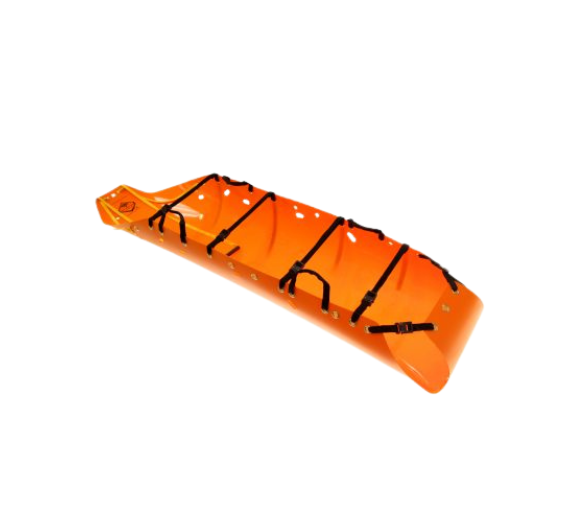
The SKED Stretcher is a versatile, portable patient transport and rescue system designed for emergency responders, military operations, search and rescue teams, industrial safety programs, and outdoor expeditions. Unlike traditional rigid stretchers, the SKED Stretcher is a flexible, scoop-style, body-enclosing rescue device that allows rapid, secure evacuation of patients from confined spaces, rugged terrain, or hazardous environments. It is especially useful in vertical or horizontal rescues, water rescues, confined spaces, and disaster scenarios.
The SKED Stretcher combines lightweight construction, durability, and modularity, enabling responders to carry, drag, lift, or hoist patients safely while minimizing further injury. Its compact, rolled storage design ensures portability, making it ideal for helicopter evacuations, confined industrial sites, maritime emergencies, and wilderness rescue operations.
Design & Construction
Material
-
High-strength, low-stretch, and abrasion-resistant polyethylene or PVC-coated fabric: This material is waterproof, flame-retardant, and resistant to chemicals and UV degradation.
-
Lightweight construction: The SKED Stretcher weighs typically between 3–5 kg (6–11 lbs) depending on size and accessories, making it manageable for a single rescuer in emergencies.
-
Reinforced stitching and seams: Provide structural integrity and long-term durability, allowing maximum patient weight support up to 250 kg (550 lbs) or more depending on model.
Features
-
Full-body enclosure: The patient lies fully enclosed, reducing risk of falling out during transport on uneven terrain or vertical lifts.
-
Integrated handles: Multiple reinforced grab points on all sides allow lifting, carrying, dragging, or hoisting by one or multiple rescuers.
-
Eyelets for ropes or straps: Enable hoist or vertical lift operations in confined or rugged environments.
-
Safety straps: Secure the patient for safe transport.
-
Compact storage: Can be rolled or folded for easy stowing in rescue packs, vehicles, or emergency kits.
-
Drainage holes: Water and debris can drain through reinforced grommets, making it suitable for water rescue or wet environments.
Key Features
-
Flexible Rescue Design: Can navigate tight spaces, stairwells, or debris-filled areas.
-
Lightweight & Portable: Easy to deploy quickly by one or two responders.
-
Durable & Waterproof: Resistant to chemicals, fire, UV, and abrasion.
-
Multi-Purpose Use: Supports dragging, carrying, or hoisting in rescue scenarios.
-
Safety Straps & Grab Points: Keep the patient secure during transport.
-
Vertical & Horizontal Rescue Capability: Eyelets allow use with ropes, harnesses, or hoists.
-
Compact Storage: Rolls or folds for space-efficient storage.
-
High Load Capacity: Supports patients up to 250 kg depending on model.
-
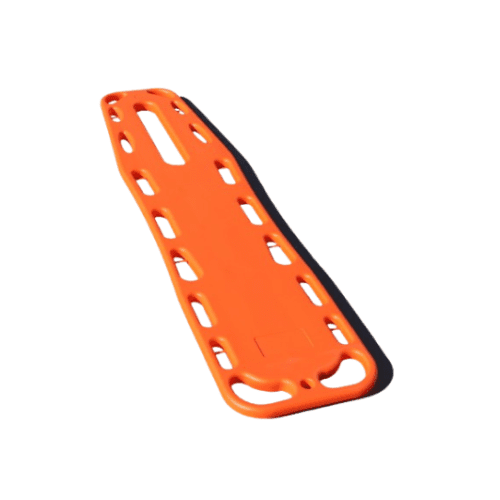
Compatible with Accessories: Can be combined with head immobilizers, cervical collars, or spinal boards.
Intended Uses & Applications
Emergency Medical Services (EMS)
-
Transport trauma or injured patients from confined or hazardous environments to ambulances.
-
Ideal for incidents such as building collapses, vehicular accidents, or confined space emergencies.
Search & Rescue (SAR)
-
Suitable for mountain, cliff, cave, or wilderness rescues.
-
Can be hoisted using ropes for vertical extrications or cliff rescues.
Maritime & Water Rescue
-
Waterproof and floatable models allow water rescue and evacuation.
-
Drainage grommets prevent accumulation of water during transport.
Industrial Safety
-
Used in mining, construction, and hazardous chemical facilities for evacuation from confined spaces or industrial accidents.
Military & Disaster Response
-
Deployed for combat casualty evacuation (CASEVAC), earthquake, flood, or mass casualty operations.
-
Enables quick extraction in rugged, debris-filled, or dangerous environments.
Standards & Compliance
SKED Stretchers are manufactured according to international safety, quality, and emergency response standards:
-
ISO 13485 / ISO 9001: Quality management standards for medical and emergency devices.
-
NFPA 1983 (Rescue Equipment Standard): Compliance for rope and vertical rescue systems.
-
ANSI / OSHA Guidelines: Workplace and industrial safety equipment standards.
-
EN 1865 (Europe): Safety requirements for stretchers and rescue devices.
Compliance ensures patient safety, material durability, and suitability for industrial, EMS, and rescue operations.
Maintenance & Care
Cleaning
-
Wash with mild detergent and water; rinse thoroughly.
-
Wipe with hospital-grade disinfectants to remove biological contaminants.
-
Avoid harsh chemicals that can degrade the fabric or stitching.
Inspection
-
Check seams, handles, eyelets, and straps before each use.
-
Ensure no rips, tears, or compromised stitching are present.
-
Replace damaged components immediately to maintain safety.
Storage
-
Roll or fold the stretcher and store in a dry, clean environment.
-
Avoid prolonged exposure to UV light, high heat, or moisture.
Load Limit Adherence
-
Always respect manufacturer’s maximum weight capacity to prevent material failure.
-
Use multiple rescuers for heavier patients or vertical extractions.
User Tips & Safety Guidelines
-
Always secure the patient with integrated straps before lifting or dragging.
-
Use additional spinal immobilization accessories if spinal injury is suspected.
-
Train responders in lifting techniques, rope hoisting, and patient stabilization.
-
Ensure all eyelets and attachment points are securely used for vertical or hoist rescues.
-
Deploy in appropriate environmental conditions—while waterproof, avoid sharp debris that can puncture the fabric.