

Description
product description
First Aid Kit No. 1
First Aid Kit No. 1 is a ready‑to‑use medical emergency kit designed to provide immediate, basic first‑aid treatment in the event of minor injuries, cuts, scrapes, burns, sprains, or sudden illness before professional medical care is available. These kits are common in homes, offices, vehicles, workshops, schools, construction sites, and public areas where access to immediate treatment can help reduce the severity of injuries, prevent infection, and stabilize a person until advanced care is reachable.
First Aid Kit No. 1 is often organized in a durable box or pouch and includes a comprehensive selection of wound care supplies, bandages, antiseptics, tools, and safety items for daily emergency response needs.
Kit Design & Construction
Container & Storage
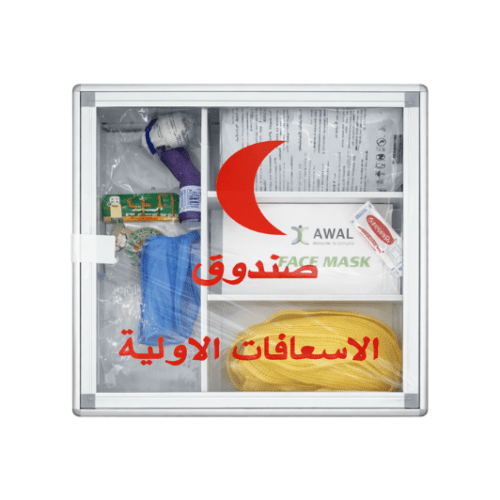
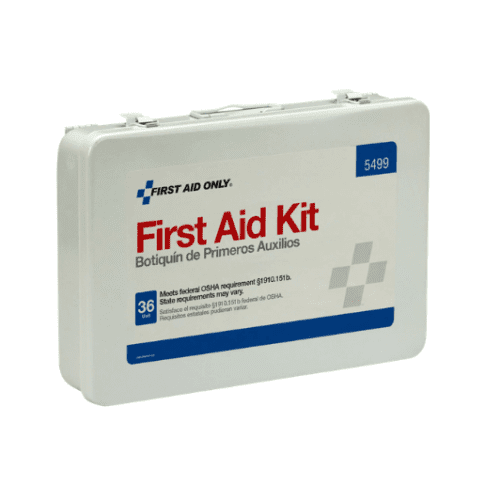
First Aid Kit No. 1 is encased in a durable, usually lightweight plastic or hard‑shell box or zippered pouch with internal organization pockets and labeled compartments. Common container features include:
-
Sturdy materials – impact resistant, water‑resistant plastic or heavy‑duty fabric.
-
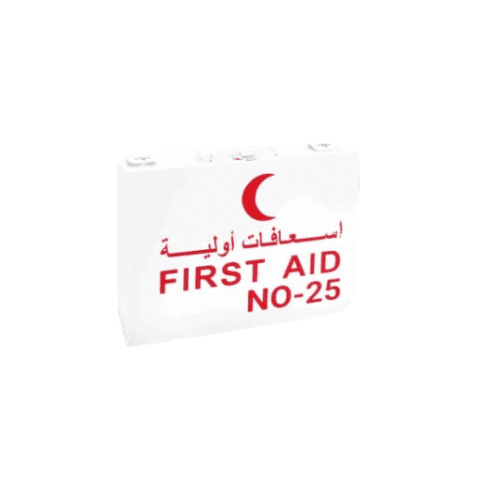
Clearly marked cross symbol – easily identifiable in emergencies.
-
Secure closures – zipper, snap‑lock, or latch to keep contents dust‑free.
-
Portable size – small enough for a vehicle, home shelf, or backpack, yet roomy enough to store essential supplies.
Some kits may include carry handles or wall‑mountable hooks for convenient placement at workstations or common areas.
Standard Contents & Supplies
A First Aid Kit No. 1 typically includes a comprehensive set of consumables and tools for handling common injuries. A typical inventory might include items (quantities may vary by manufacturer) like:
Wound Care
-
Sterile gauze pads (multiple sizes): For covering bleeding wounds.
-
Adhesive bandages / plasters (various sizes): For small cuts and abrasions.
-
Sterile dressings: Larger dressings for bigger cuts or surgical wounds.
-
Non‑adhesive pads: For sensitive areas and burn care.
-
Adhesive tape / first aid tape (roll): To secure dressings.
Antiseptics & Disinfectants
-
Antiseptic wipes / swabs: To clean wounds before dressing.
-
Alcohol prep pads: For disinfecting skin and tools.
-
Antiseptic solution: To rinse dirt and bacteria from wounds.
Medications & Ointments (basic)
-
Antibiotic ointment: Helps prevent infection in minor cuts.
-
Burn ointment: For minor thermal or sunburns.
-
Pain relief/analgesic tablets (optional): Such as paracetamol or ibuprofen (check labeling/regulations).
Tools & Implements
-
Scissors / bandage scissors: To cut tape, dressings, and clothing.
-
Tweezers: For splinter or foreign object removal.
-
Safety pins: For securing bandages or slings.
-
Disposable gloves (pair): For hygiene and protection.
-
CPR face shield: For safe mouth‑to‑mouth resuscitation.
Additional Items
-
Elastic bandage / crepe bandage: For sprains, strains, and support.
-
Eye wash or saline ampoule: To flush eyes in contamination or irritation.
-
Triangular bandages: For slings, splints, or immobilization.
-
Cotton swabs / balls: For applying antiseptics.
-
Instant cold pack (optional): To reduce swelling.
Hygiene
-
Hand wipes / sanitizing gel: For cleaning hands before treatment.
-
Disposable masks: For infection control in respiratory incidents.
Intended Uses & Practical Application
A First Aid Kit No. 1 is constructed to address everyday injuries and common emergencies, including:
Minor Cuts, Scrapes & Abrasions
-
Clean wound with antiseptic wipes.
-
Apply sterile gauze or bandage.
-
Secure with adhesive tape or plaster.
Burns
-
Immediately cool with running water.
-
Apply burn ointment and sterile dressings.
-
Avoid direct ointment on large burns unless medically instructed.
Sprains & Strains
-
Use elastic bandages to provide support and reduce swelling.
-
Immobilize if necessary until further treatment.
Eye Exposure / Irritation
-
Flush the eye with sterile saline or eye wash.
-
Avoid rubbing; cover with sterile pad if needed.
CPR Response
-
Use face shield for protected mouth‑to‑mouth support.
-
Begin basic life support if trained.
General First Aid
-
Control bleeding.
-
Clean wounds.
-
Stabilize minor injuries.
-
Comfort and reassure the injured person.
First Aid Standards & Compliance
First Aid Kit No. 1 contents are typically designed to align with safety guidelines recommended by reputable health and safety bodies, including:
-
ISO 13485/2016 and ISO 9001 quality frameworks (for medical product manufacturing).
-
OSHA (Occupational Safety and Health Administration) recommendations for workplace first aid access (in relevant regions).
-
ANSI/ISEA Z308.1 (U.S. standard for first aid kit content categorization).
-
Local health authority guidelines (varies by country/region).
Compliance with recognized standards ensures that the kit contains adequate, medical‑grade supplies necessary for basic emergency care.
Organization & Accessibility
To be effective, First Aid Kit No. 1 must be:
Visible & Accessible
-
Place in a well‑known location.
-
Install in kitchens, offices, vehicles, workshops, and common areas.
-
Clearly label and ensure access in emergencies.
Organized
-
Group supplies by category (bandages, tools, antiseptics).
-
Use labeled compartments or compartment trays for quick retrieval.
Tag & Checklist
-
Include an inventory checklist.
-
Mark expiration dates on consumables.
-
Schedule periodic reviews to replace expired items.
Safety, Hygiene, and Infection Control
When using any First Aid Kit No. 1
-
Wear gloves to minimize contamination.
-
Avoid cross‑contamination by replacing used items immediately.
-
Dispose properly of used or contaminated elements (e.g., contaminated gauze).
-
Wash hands or use sanitizer after first aid administration.
Maintenance & Replacement Guide
Check Regularly
-
Inspect monthly for low stock or expired contents.
-
Replace missing or used items immediately.
Maintain Consumables
-
Medicine, ointment, and antiseptic pads have expiration dates — replace before expiry.
-
Adhesive bandages lose stickiness over time.
Ensure Tools Are Functional
-
Scissors and tweezers should be rust‑free and sharp.
-
Check that containers and closures are intact.
User Education & Training
First Aid Kit No. 1 is only effective if users know how to use it. Encourage:
-
Basic first aid training (CPR, wound cleaning, bandaging).
-
Familiarity with common supplies and their function.
-
Clear labeling inside the kit.
Applications & Use Scenarios
Home
Essential for families, home projects, gardening, and seasonal activities.
Vehicles
Helps handle roadside cuts, burns, and emergencies during travel.
Offices & Workplaces
Part of workplace safety compliance and emergency readiness.
Workshops & Trades
Useful for workers exposed to tools, cutting equipment, or machinery.
Outdoor & Adventure
Useful on hikes, camping, or remote activities where medical help isn’t immediate.